

Overdose Prevention
Last Updated on August 18, 2026 by Rachelle Moon

Recognize. Respond. Save a Life.
Understanding Overdose Risk
An overdose can happen when a person takes more of a substance than their body can safely handle. This can involve prescription medications, illicit drugs, alcohol, or a combination of substances. Anyone can be at risk, but understanding the warning signs and taking preventative steps can save lives.

Most overdoses are preventable. Learning about overdose risks, safe storage, and how to respond in an emergency can help protect your family and your community.
Preventing Accidental Poisonings and Overdoses at Home
One simple step can prevent a tragedy. Keep all medications, cannabis products, vitamins and other potentially harmful substances securely stored, out of sight and reach of children. Safe storage helps prevent accidental poisonings and overdoses while creating a safer home for everyone.
Recognizing an Overdose
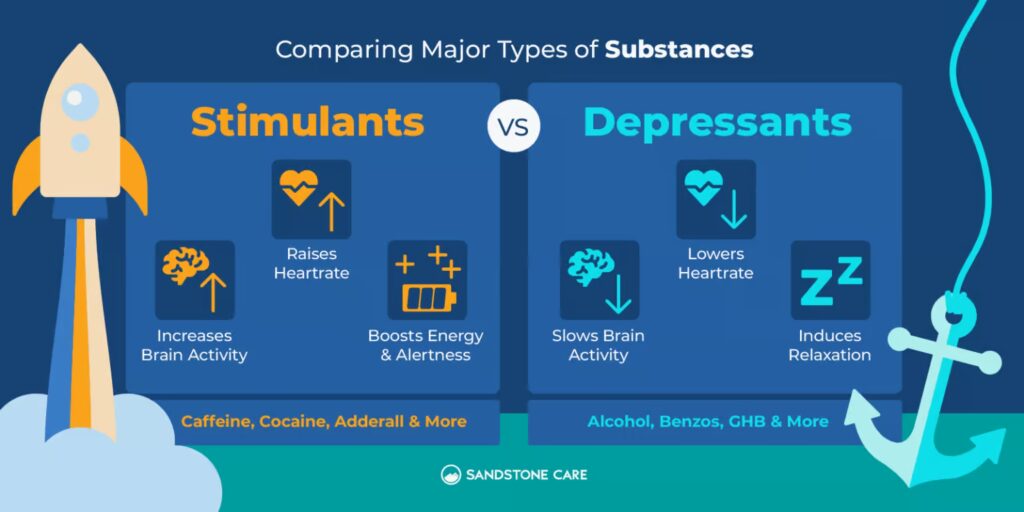
A person experiencing a depressant overdose, such as fentanyl or oxycodone may be difficult to wake, have slowed or stopped breathing, blue or gray lips or fingernails, or be unresponsive. If you suspect an overdose, call 911 immediately.
Responding to an Overdose
Quick action can save a life. Call 911, administer naloxone (Narcan) if available, and stay with the person until emergency responders arrive.
Naloxone (Narcan)
Narcan is a medication designed to treat known or suspected opioid overdoses by quickly restoring normal breathing in individuals whose breathing has slowed or stopped due to opioids such as heroin, fentanyl, oxycodone, hydrocodone, codeine, or morphine. It is temporary but can help someone stay alive until emergency personnel can arrive to provide further assistance.

Schedule Free Naloxone (Narcan) Training
Call or Text Quay County Health Council to schedule your Free Training 575-815-4575
Learn how to recognize an opioid overdose, administer naloxone, and respond confidently until emergency services arrive. Training is available for businesses, schools, churches, community organizations, and other groups throughout Quay County.

Crisis Resources
